
Quick Answer: The primary difference is delivery architecture: IPTV delivers real-time live linear broadcasts (sports, news, scheduled channels) using synchronized multicast streams with a 3–5 second buffer, whereas on-demand services (SVOD like Netflix) stream pre-recorded static files using adaptive HTTP progressive downloads. Modern IPTV combines live channels with massive on-demand libraries.
The contemporary streaming landscape offers two distinct ways to consume video: linear broadcast television delivered across internet protocol networks (IPTV) and subscription video-on-demand platforms (SVOD) like Netflix, Disney+, and Amazon Prime. While many consumers view them as competing alternatives, they operate on different technical architectures engineered for contrasting entertainment purposes.
Table of Contents
- Technical Architecture Comparison
- The Live Broadcasting Advantage of IPTV
- How Modern IPTV Integrates On-Demand Libraries
- Buffer Mechanics: Live Video vs Stored Assets
- Subscription Fatigue & Financial Economics
- Bandwidth and Network Requirements
- Responsible Streaming Policy
- Frequently Asked Questions
Technical Architecture Comparison
Compare the core technical differences between IPTV and on-demand streaming services:
| Feature / Metric | Internet Protocol TV (IPTV) | On-Demand Services (SVOD) |
|---|---|---|
| Primary Content Focus | Live sports, breaking news, scheduled cable channels | Pre-recorded movies, exclusive drama series, documentaries |
| Transmission Delivery | Real-time UDP / HLS / MPEG-TS transport streams | Adaptive Bitrate HTTP (DASH / HLS chunks) |
| Playback Buffer Window | 3 to 5 seconds (Real-time synchronization) | 1 to 5 minutes pre-loaded into memory |
| Program Guide (EPG) | Native interactive 7-day TV schedule grid | None (Algorithmic recommendation carousels) |
| Channel Zapping Speed | Sub-second channel switching | 3 – 8 seconds to load title player |
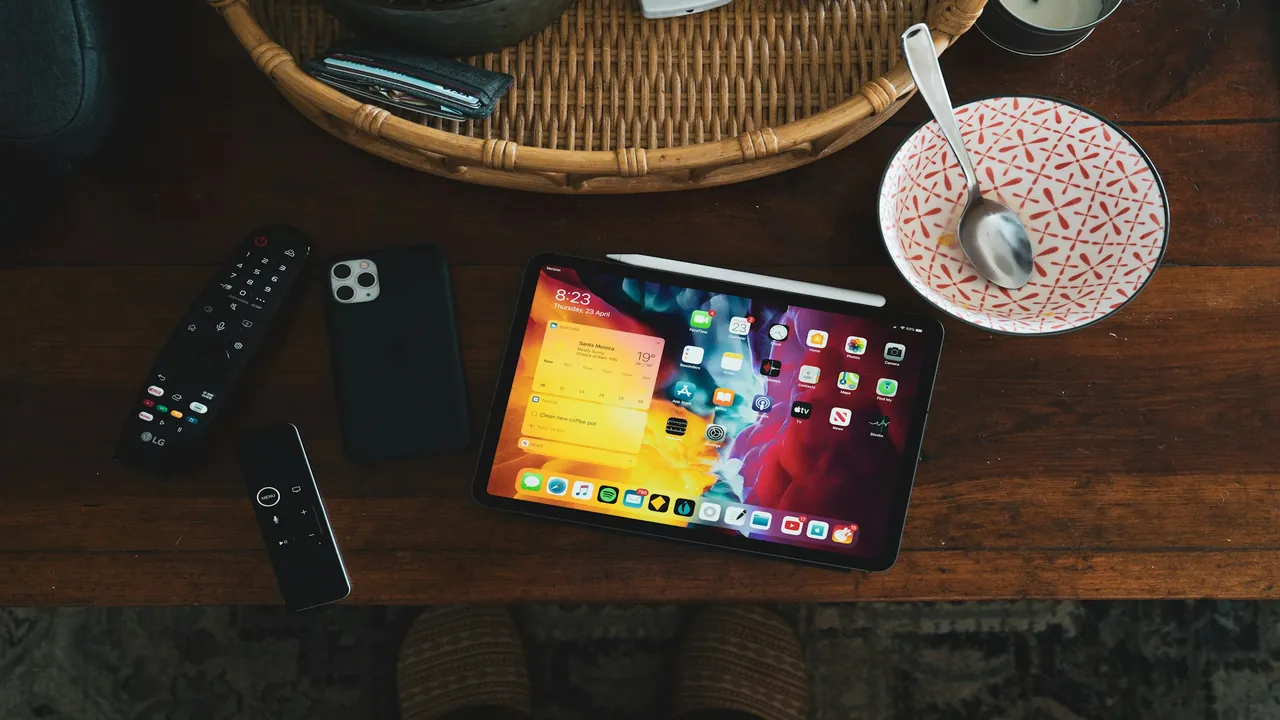
Modern households enjoy live television alongside on-demand streaming across multiple smart displays.
The Live Broadcasting Advantage of IPTV
The defining strength of IPTV is live synchronization. When watching a penalty shootout in football or a major global news event, on-demand apps cannot compete. Traditional SVOD apps either do not carry live channels or implement multi-minute broadcast delays that spoil game outcomes via smartphone social notifications. IPTV provides real-time, zero-delay television with true 60fps framerates. Explore picture quality in our guide on IPTV SD, HD, and 4K bitrates.
How Modern IPTV Integrates On-Demand Libraries
Early IPTV was strictly linear. However, the adoption of the Xtream Codes API has transformed modern IPTV into a hybrid powerhouse. Subscribing to an IPTV provider now gives you access to tens of thousands of on-demand movies and full television series categorized with posters, IMDb ratings, and subtitles directly inside your favorite player app. Learn more in our comparison of M3U playlists vs Xtream Codes API.
Buffer Mechanics: Live Video vs Stored Assets
Understanding buffer mechanics explains why Netflix almost never buffers while IPTV can occasionally stutter on poor Wi-Fi:
- Stored Video Assets: When you press play on Netflix, your player downloads the next 120 seconds of video into RAM. If your Wi-Fi drops out for 10 seconds, you never notice because the player draws from memory.
- Live Linear Feeds: Live broadcasts cannot be pre-recorded from the future. The player only has a 3-second buffer window. A brief latency spike immediately exhausts that buffer. Learn how to prevent this in our guide on how to reduce IPTV buffering.
Subscription Fatigue & Financial Economics
As media companies fragmented entertainment into separate subscriptions—requiring separate $10 to $20 monthly fees for sports, news, and drama—consumer “subscription fatigue” peaked. A single IPTV subscription consolidates thousands of worldwide linear broadcast channels, live sports pay-per-views, and on-demand movies into an affordable package. Learn how to evaluate services in our IPTV buyer checklist.
Bandwidth and Network Requirements
Both streaming models require reliable broadband. For multi-screen households, review our speed benchmarks in recommended internet speed for IPTV and verify monthly allowances in how much data IPTV uses.
Responsible Streaming Policy
Orvixa IPTV supplies high-capacity digital delivery infrastructure. Subscribers are responsible for confirming that all multimedia content viewed through their third-party software complies with regional copyright regulations and appropriate licensing frameworks.
Frequently Asked Questions
Can IPTV completely replace cable and streaming subscriptions?
For the vast majority of users, yes. IPTV delivers all major live broadcast networks, premium sports packages, international channels, and extensive on-demand movie libraries at a fraction of traditional cable costs.
Does IPTV have pause and rewind like on-demand?
Yes. Advanced IPTV players like TiviMate and Formuler MyTVOnline support Catch-Up TV and live pause/rewind on supported channels, allowing you to replay broadcast moments seamlessly.
Get the Best of Both Worlds
Enjoy thousands of crystal-clear live television channels and a vast on-demand library with Orvixa IPTV.
Test Orvixa IPTV With a Free 24-Hour Trial
Experience 28,000+ live US & international channels, 4K/Full HD sports, and VOD on your Smart TV, Firestick, or mobile device before you commit.